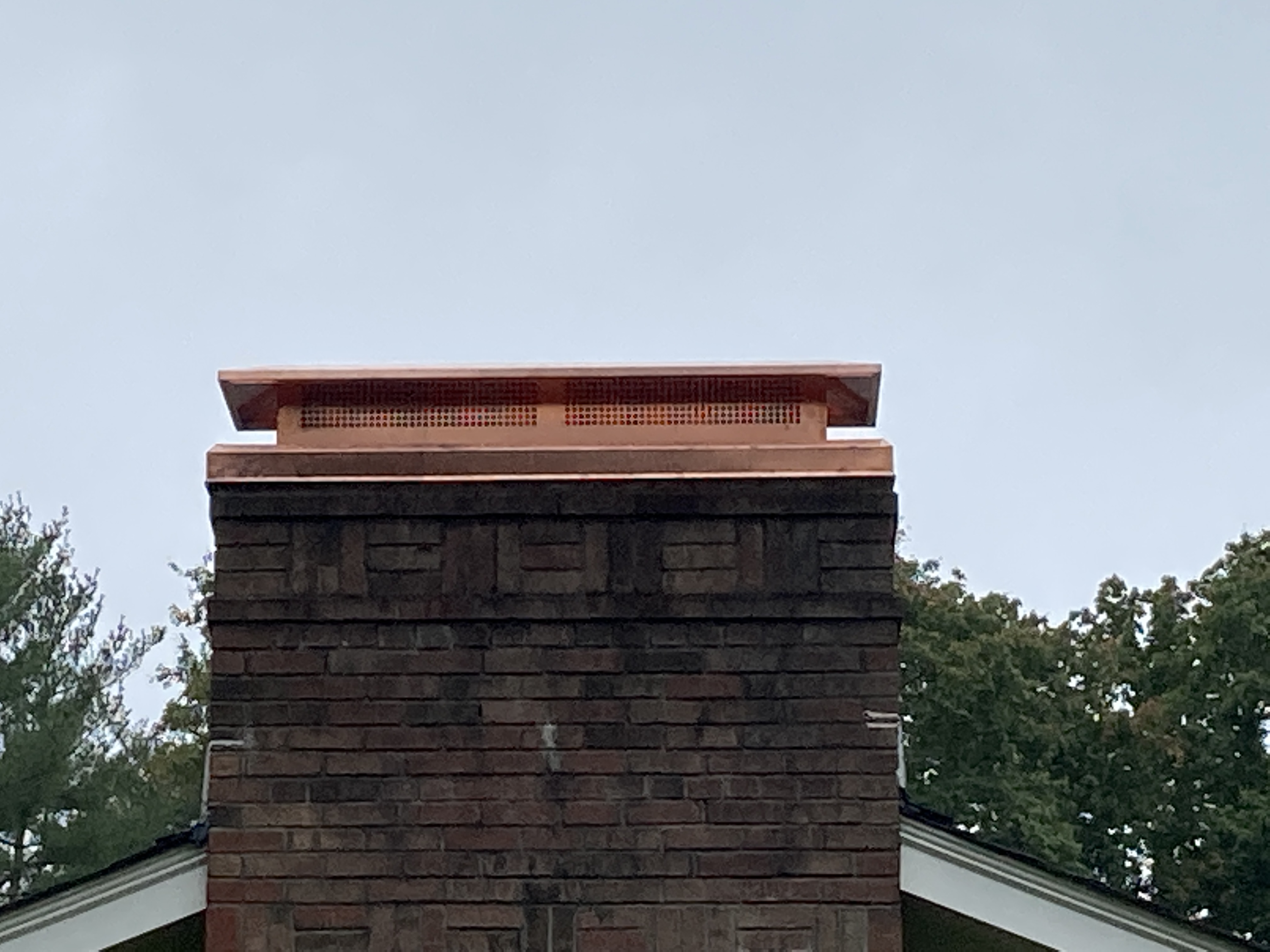
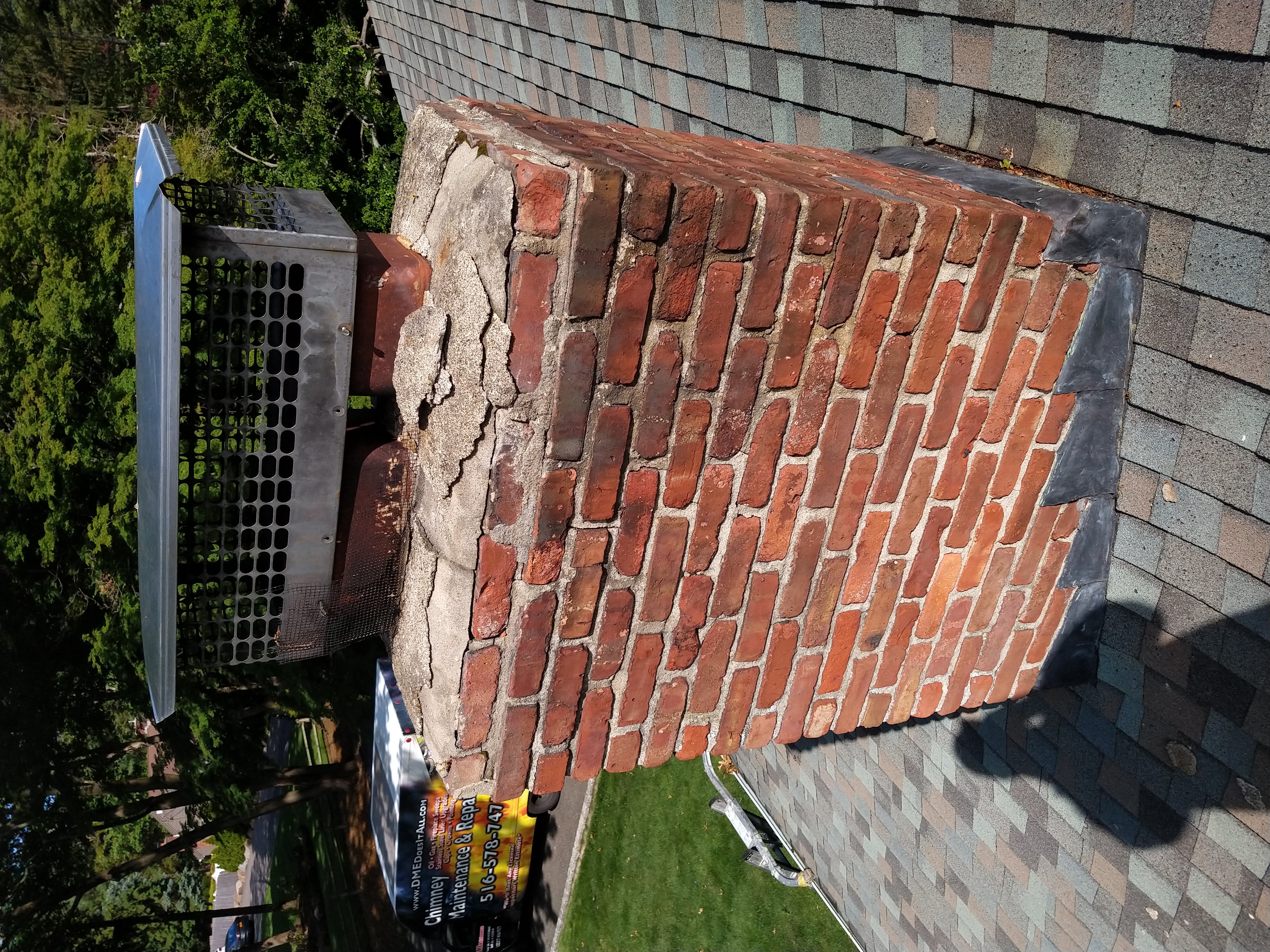
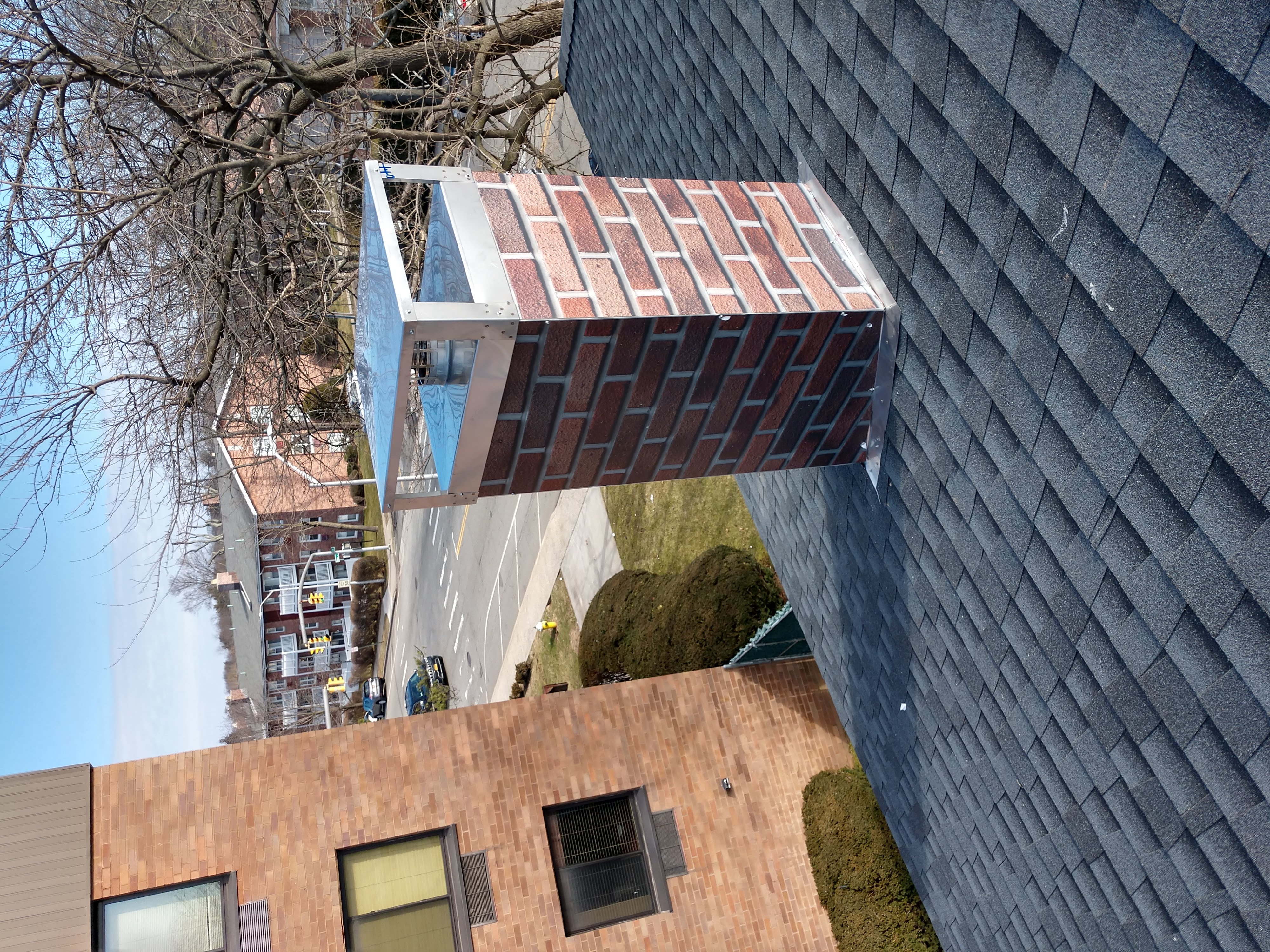
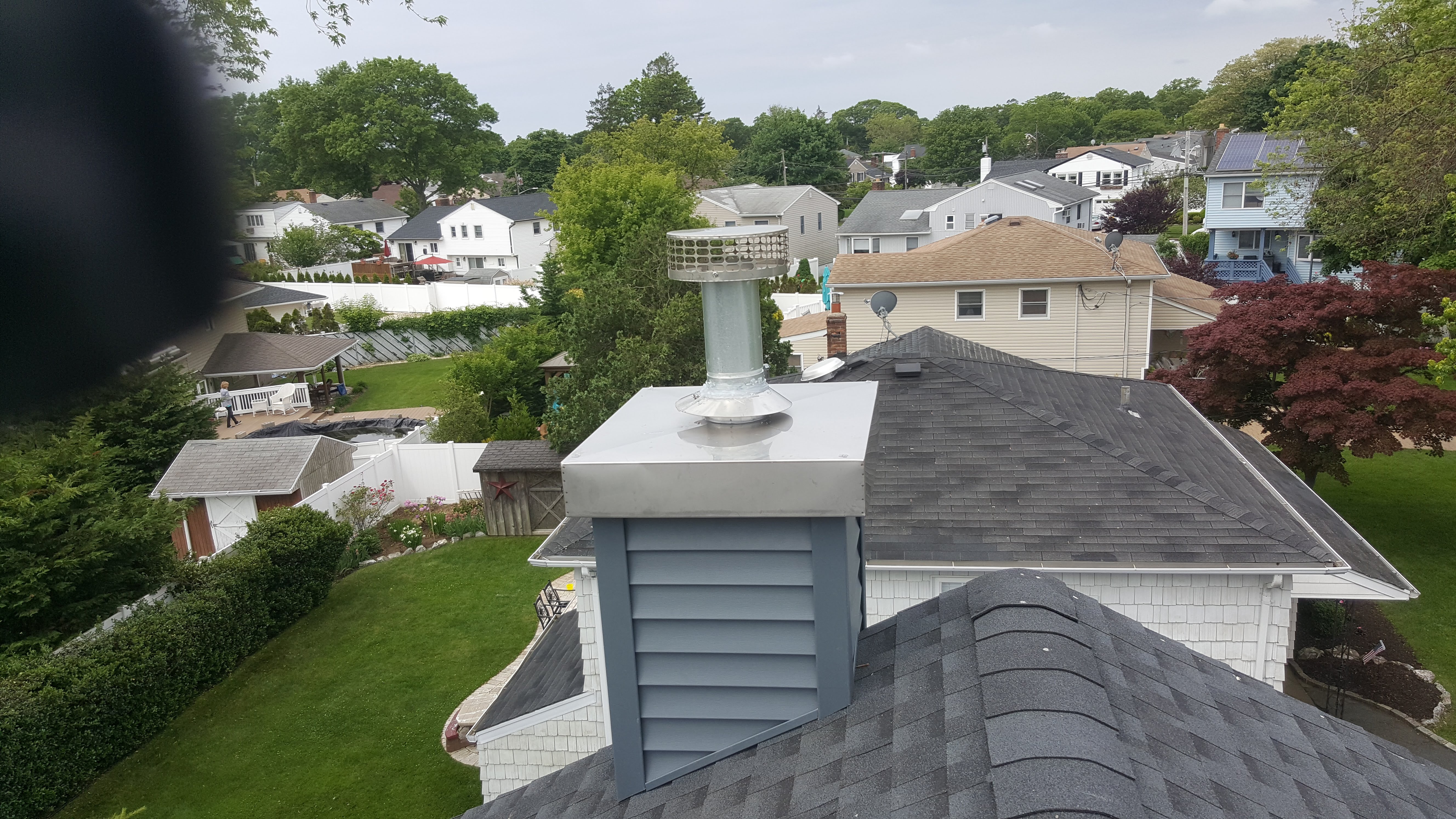
Your chimney crown sits at the very top of your flue system, acting as the first barrier between your home and everything the Long Island weather can throw at it. Rain, sleet, freeze-thaw cycles, and coastal salt air all assault this single component throughout the year. The crown slopes away from the center flue opening to shed water outward and downward. When it cracks or deteriorates, water doesn't just drip into your flue. It spreads sideways through the masonry, backing up into the firebox, seeping into adjoining walls, and eventually damaging structural elements you can't see from the ground.
Homes on Long Island face particular crown challenges because of our regional climate and the age of most residential construction. Many Jericho properties were built between the 1950s and 1980s, when crown construction standards were less rigorous than today. Original crowns on these older homes have endured decades of expansion and contraction. Freeze-thaw cycles are especially damaging. Water enters a small crack during a warm spell, freezes solid at night, expands, and makes the crack wider. By spring, that hairline fracture has become a genuine structural problem. Before the rainy season and winter arrive, Jericho homeowners should inspect their crowns and address damage before water penetration begins in earnest.
The crowns on Jericho chimneys fail for several common reasons, and most are preventable with proper maintenance and timely repair. One frequent culprit is settling or shifting in the chimney structure itself, which causes the crown to crack as the masonry beneath it moves slightly. Salt air from the surrounding Nassau County area corrodes the concrete and mortar that hold these crowns together. Exposure to direct sunlight causes repeated expansion and contraction. Poor original construction, where the crown wasn't sloped adequately or wasn't sealed properly to the flue tile, creates vulnerabilities that worsen year after year. Even properly installed crowns begin showing wear after twenty or thirty years of seasonal stress.
Water entry through a compromised crown creates a cascade of problems that spreads quickly through your heating system. Most homes on Long Island use oil heating, which relies on a properly functioning chimney for safe venting and draft control. When moisture enters the flue, it damages the interior tile, creates rust in the damper assembly, and eventually contaminates heating oil. Wet masonry loses structural strength and can develop spalling, where chunks of brick or mortar break free inside the flue. Mold and mildew thrive in damp chimneys. The longer a damaged crown goes unrepaired, the more expensive the eventual restoration becomes. Early intervention stops this deterioration before it reaches your home's interior.
A cracked crown might seem like a small cosmetic issue when you first notice it, but size is deceptive. Even a quarter-inch hairline fracture allows significant water infiltration during heavy rain or melting snow. Jericho residents often assume they can seal small cracks with roofing caulk or tar, but those temporary fixes fail within a season or two. The crown continues to move as the underlying masonry shifts and settles. Surface sealants simply can't accommodate that movement. The only reliable solution is a proper crown repair that addresses both the visible damage and the underlying structural issues causing the failure. This is precisely the work DME Maintenance has been handling since 2001 throughout Nassau County, NY and beyond.
When DME Maintenance inspects your chimney crown, we look beyond the obvious cracks. We assess the slope and condition of the concrete or mortar cap. We check how well the crown transitions to the flue tile opening and whether water is properly directed away from vulnerable areas. We examine the mortar joints in the chimney masonry below the crown, since deteriorated joints often signal that the crown itself won't last much longer. DME Maintenance understands how Jericho chimneys age and what warning signs indicate imminent failure. This knowledge helps us distinguish between crowns that need minor repairs and those that require full replacement. We explain our findings clearly so you understand what's happening and why action is necessary before winter weather arrives.
Proper crown repair on a Jericho home involves several steps, depending on the extent of damage. Minor cracks can sometimes be sealed with specialized crown repair compounds that remain flexible as the crown moves with temperature changes. Larger cracks, missing sections, or crowns with poor slope often require partial or complete replacement. DME Maintenance carefully removes damaged material, prepares the top of the masonry, and applies new mortar or concrete that's properly sloped and sealed to the flue opening. The work must be done right because the crown protects everything beneath it. Corners and the transition to the flue tile are particularly critical areas where water loves to find its way inside. We pay special attention to these vulnerable spots because that's where Jericho homeowners typically discover leaks months later.
The timing of crown repair matters significantly on Long Island. The fall months, before heavy rains and winter freeze-thaw cycles begin, represent the ideal window for this work. Jericho homeowners who address crown damage in September or October avoid the stress of discovering water in their living room during a November nor'easter. Winter itself is less ideal because moisture and cold temperatures can interfere with proper mortar curing and bonding. Spring is possible but still involves some risk, since freeze-thaw cycles continue into April in our area. Summer heat makes the work more challenging for me. Planning ahead and scheduling crown repair before rainy season is the approach we recommend to every Jericho property owner.
Douglas covers all of Jericho and knows the neighborhood streets well. Long Island homes in Jericho vary considerably — from Cape Cods and split-levels built in the 1950s to more recent construction — and Douglas is experienced with every chimney configuration found in the area.
Beyond repairs, preventive maintenance extends the life of your chimney crown and catches problems early. An annual inspection by a qualified professional identifies developing cracks before they become severe water entry points. Jericho residents who schedule chimney inspections each fall, right before winter heating season, get expert eyes on the crown's condition every year. We photograph crowns during inspections so you can see exactly what DME Maintenance sees. This documentation helps you understand the rate at which damage is progressing and make informed decisions about repair timing. Many homeowners benefit from a cleaning of debris and algae on the crown surface as well, which improves drainage and lets you see the actual condition of the concrete or mortar underneath.
DME Maintenance has served Jericho and the surrounding Nassau County, NY area since 2001 with the experience and attention to detail that makes the difference in chimney repair. Our licensed technicians understand the specific challenges that Long Island's climate and residential construction present. We show up prepared, equipped, and ready to do the work right rather than quickly. We explain your options clearly and respect your timeline while being honest about which repairs can wait and which demand immediate attention. If you've noticed cracks in your chimney crown or you're not certain about its condition, now is the moment to get it inspected before weather patterns shift and winter demands much from your heating system. Call DME Maintenance today at 516-690-7471 and schedule your chimney crown inspection. Don't let a damaged crown become a costly emergency later.